.png)
Nutrition Tips for Consistent, Steady Energy for Aviation Professionals
Most of us experience natural highs and lows in energy throughout the day. For aviation professionals, though, an energy crash can affect focus, decision-making, safety, and overall job performance. Whether you're flying, working the radar, or serving passengers, your brain and body need a steady supply of fuel to perform at their best.
Long duty days, changing schedules, disrupted sleep, hotel stays, and inconsistent meal times make maintaining energy one of the biggest challenges in aviation. While you can't always control your schedule, you can control many of the habits that influence how you feel. A few small nutrition and lifestyle adjustments can make a meaningful difference in helping you stay energized from sign-on to sign-off.
Why Aviation Professionals Experience Energy Slumps
- Poor sleep
- Poor hydration
- Unbalanced meals
- Going without food
- Digestive problems
- Caffeine mismanagement
- Cortisol/melatonin imbalance
You can probably check most of these boxes for why you’re tired! The great news is many of these issues can be managed with small changes. For today, let’s tackle a few lifestyle adjustments for: unbalanced meals, caffeine mismanagement, and poor hydration.
Build Balanced Meals for Long-Lasting Energy
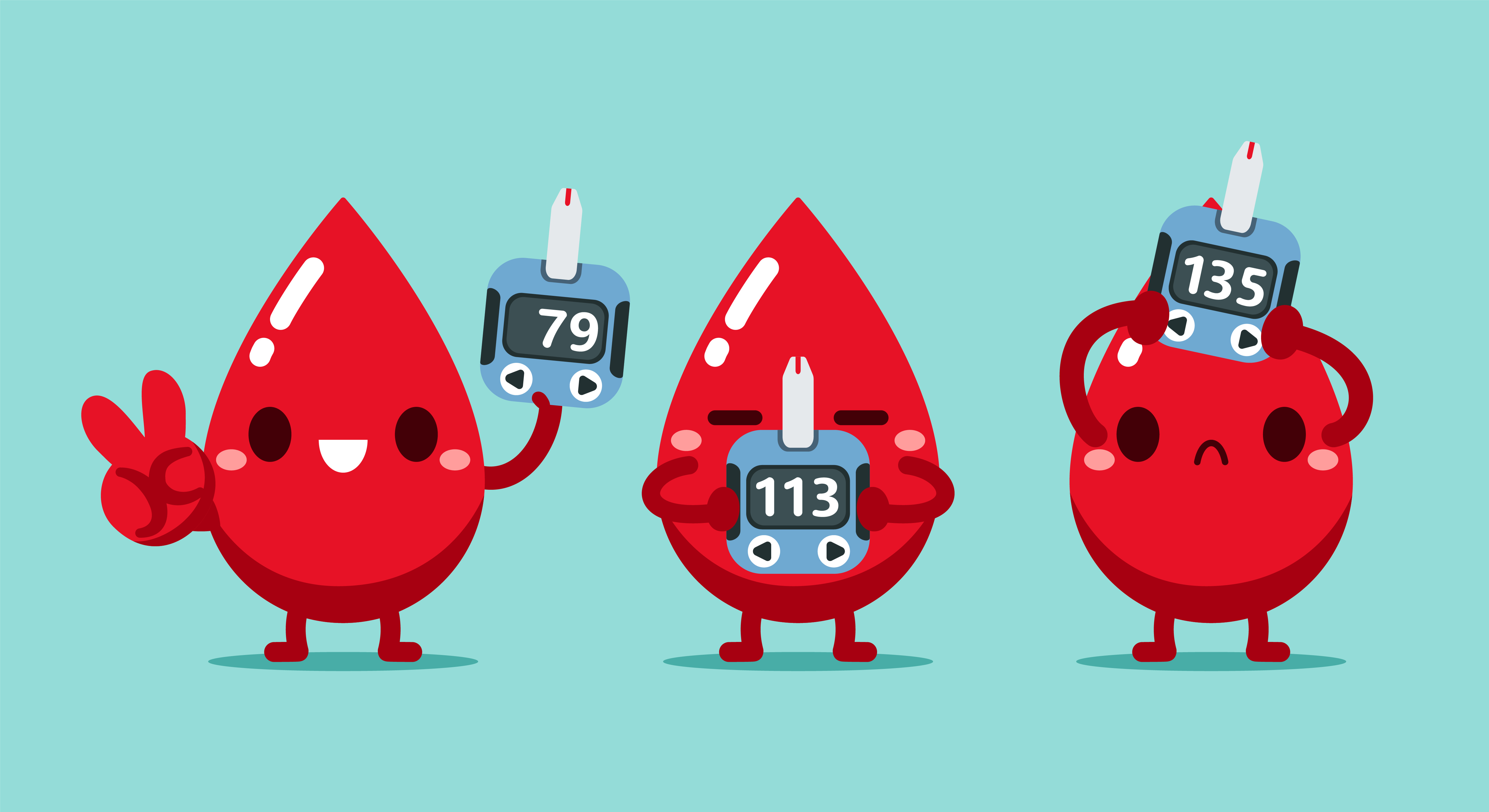
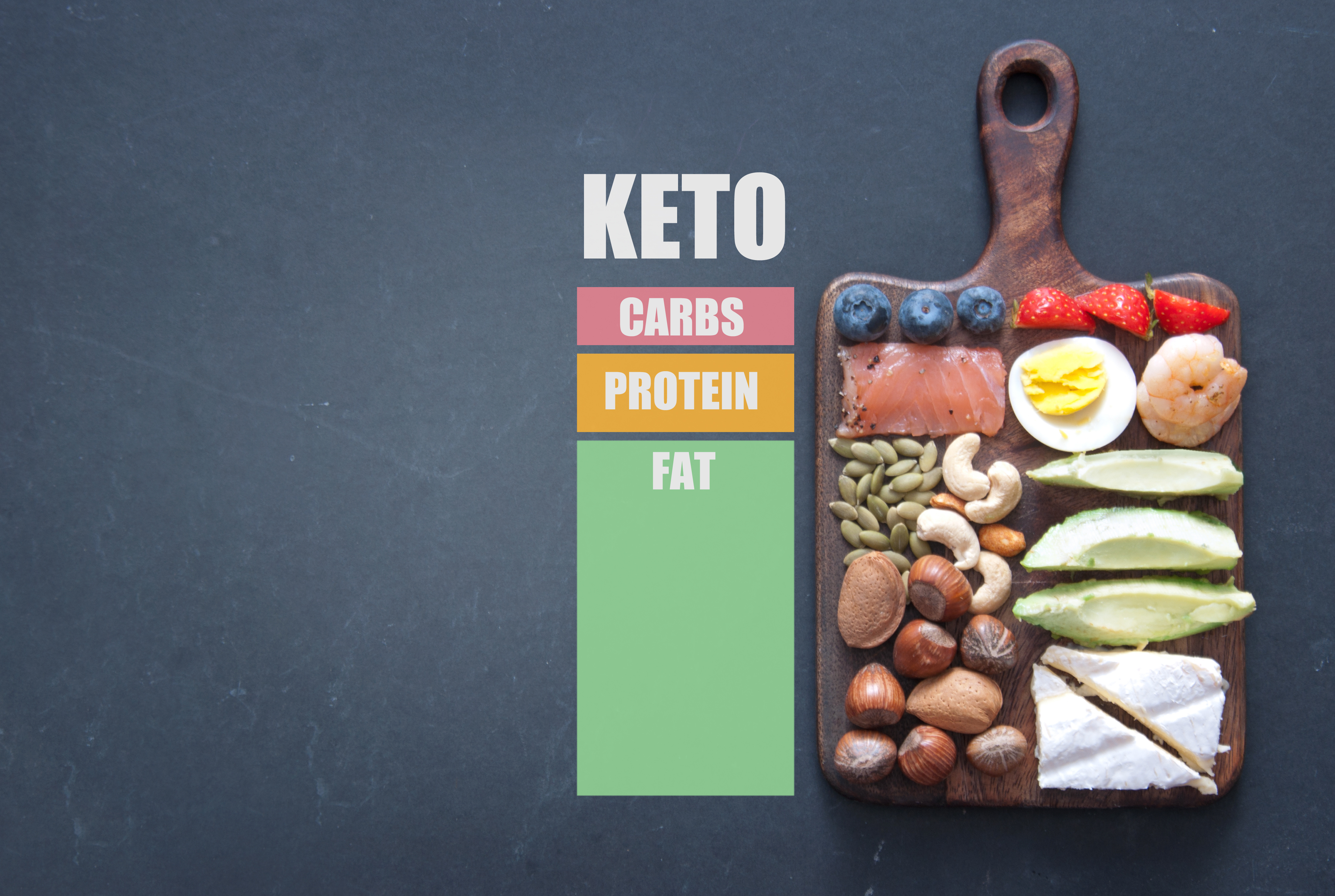
What does it even mean to have an unbalanced meal? When I say unbalanced, I mean a meal that might be really high in fat or sugar and low in protein and fiber. When we consume high fat, high sugar foods it can do a couple of things: 1) cause a sharp increase in glucose that the body absorbs and then crashes, and 2) sluggishness. Generally speaking, glucose is the only fuel source for the brain (unless you’re not consuming carbs like in a keto diet) and it makes sense we might feel irritable, tired, and hungry when our blood sugar crashes. High fat can make some people feel sluggish and it can slow digestion.
Ultimately, finding a nice balance of the macronutrients (carbohydrates, fats, proteins) is key to sustaining energy. In aviation, it can be really hard to get full meals with any consistency so ensuring you have some snacks on hand can help keep blood sugars and the brain on task. For meals, try getting at least 20-30 grams of protein, 5-7 grams of fiber, and some combination of grains, vegetables, and fruit. If a snack is all you have time for, pair a carbohydrate source (granola bar, popcorn, or fruit) with a protein (protein bar, protein shake, mixed nuts, or jerky). Keeping your hunger level between a 3-7 on a scale of 1-10 helps reduce cravings and irritability.
Use Caffeine Strategically to Stay Alert
Caffeine can be a double-edged sword primarily because some people metabolize it faster than others. If genetically you are a slow metabolizer of caffeine, you need far less to get the prime effects and stimulation; whereas, a fast metabolizer can drink higher amounts and more frequently. For most people I recommend having small amounts of caffeine throughout the day and stopping in the middle of the afternoon (8 hours before bed) to prevent sleep disruptions. That could look like this:
- 8 AM (80-110 mg): 1 cup of coffee or black tea, or 1 NUUN Energy Tablet
- 10:00 AM (35-50 mg): 1 cup of decaf, or green tea
- 12:00 PM (15- 35 mg): 1-2 cups of Kombucha
While general recommendations such as consuming smaller amounts throughout the day and avoiding caffeine within about eight hours of bedtime work well for many people, your ideal intake may be different. Understanding how your body responds can help you use caffeine more strategically to support alertness during your shift while minimizing its impact on sleep and recovery.
At Flight Crew Nutrition, we use genetics alongside nutrition and lifestyle assessments to help aviation professionals develop personalized strategies for energy, recovery, and long-term health.
Hydration: The Overlooked Energy Booster
Getting adequate hydration is a common issue with aviation professionals due to bathroom access and lack of hydration options (depending on your role in aviation). There are a number of factors that influence hydration levels including kidney function, exercise, hormone balance, electrolytes, and of course how much fluid we consume. There are quite a few ways to “calculate” fluid needs but none are perfect, so it becomes an individual endeavor to determine what’s right for you. To get started, go with the generic 8:, 8-oz cups a day and check your urine level. If your urine is dark colored, or you have trouble pooping (constipation) you likely need more water. If you’re finding a slump of energy in the middle of the day, water might be the simple pick me up you need! This of course needs to be balanced with your access to a bathroom so your kidneys can filter and remove excess waste.
Small Nutrition Changes Can Lead to More Consistent Energy
The goal isn't to have endless energy every day, but rather to reduce the dramatic highs and lows that leave you feeling drained before your shift is over. Building balanced meals, using caffeine strategically, and staying adequately hydrated are three simple habits that support more consistent energy, sharper focus, and better overall health. Start with one change this week, practice it until it becomes routine, and then add another. Small, consistent habits are far more effective than chasing quick fixes when it comes to performing your best in aviation.