
The Ups and Downs of Blood Sugar
High blood sugars can risk your career as a pilot or air-traffic controller and I hear a lot of confusion from people trying to understand carbohydrates and sugar. That’s because it’s complicated and confusing. So, if that’s you, you’re in the right place! Essentially all carbohydrates are made up of small and long chains of sugar molecules (glucose, fructose, and galactose) that are bound together by chemical bonds. So how on earth does a food carbohydrate cause diabetes?! Well, it doesn’t technically and diabetes is often a multi-factorial condition that develops over time and the end result is the inability for your body to absorb sugar properly.
How Carbohydrates Become Blood Sugar
Let’s start at the beginning…
When you eat a sugar cube, your body must break it down so it can get through the digestive tract and into your bloodstream. This is done through a series of processes that require chewing, enzymes in your saliva, stomach acid, enzymes in the small intestine, sugar transporters, and more. [Did I mention this is complicated?! I’m skipping some cool things so we can get to the blood sugar part and diabetes but you can read more in my Substack where I go into the science of digestion and absorption of food.]
After you eat said sugar cube, the body goes to work and does it quickly (especially if you have eaten nothing else like fat or protein that can slow the digestion of sugar) and those three sugar molecules I mentioned before (glucose, fructose, and galactose) get shipped out of the small intestine.
Why Your Body Needs Glucose for Energy
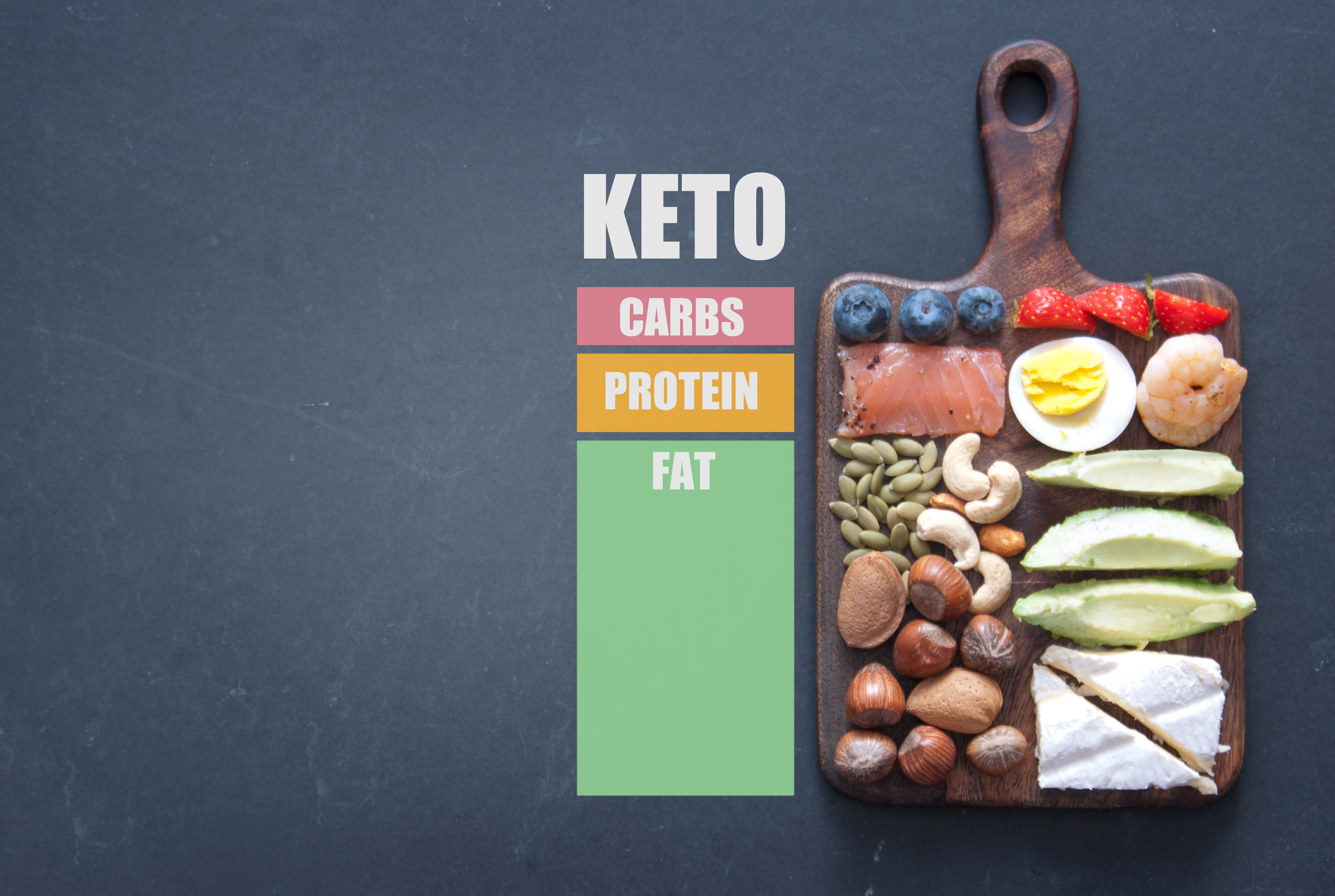
Glucose is very important because it is the only fuel source for the brain (unless you’re in ketosis) and red blood cells. The brain is a heavy carbohydrate user and consumes about 25% of your glucose which is why you always have a steady supply of glucose in your blood - even when you don’t eat it. When you haven’t eaten carbohydrates for a little bit (several hours) your liver will start to release glucose stores and as needed, start to make more glucose. (Flight tip: bring carbohydrate and protein snacks to maintain cognitive functioning!)
How High Blood Sugar Affects Your Health
Having a steady flow of glucose is required for body functioning, unfortunately, when we have excessive amounts of glucose in the blood, the blood becomes thick and sticky which causes damage to arteries, vessels, tissues, and cells. It reduces oxygen and nutrient delivery to tissues and in severe cases, can result in the need for amputation of limbs as the tiny vessels in feet lose circulation and become damaged. Additionally, the damage to the blood vessels and sticky blood can increase the risk for heart disease and the build up of plaque in your arteries.
Insulin Resistance and Type 2 Diabetes: What Happens in the Body?
Our body responds to every input and output. When things are functioning properly, your glucose levels will be steady because the pancreas will send out insulin (a hormone from the pancreas) to signal the absorption of glucose into the muscle and fat cells. Insulin works by telling the cells to open up and let glucose in. With type 2 diabetes, if we eat a lot of sugar or carbohydrates and if we do this consistently over time, the pancreas gets worn out and stops producing enough insulin and the cells stop responding to insulin. Without the ability to lower blood sugar this way, it stays too long in the blood and starts causing loads of damage.
Type 2 Diabetes Risk Factors: Lifestyle and Genetics
There are other contributing factors to developing type 2 diabetes including a sedentary lifestyle, high fat intake, low fiber, and low nutrient intake. Exercise is extremely helpful to reducing your risk for type 2 diabetes and managing blood sugar because it enhances the signalling and uptake of glucose into the cells. Genetics play a role in this too! [If you’re curious about how your genetics are influencing your risk for diabetes, work with Flight Crew Nutrition and explore the DNA Runway package.]
Common Diabetes Symptoms and When to Get Tested
There are a number of signs and symptoms people might notice with diabetes: unexplained weight loss, excessive thirst, and increased urination. If you notice this, go to your doctor or other medical professional!
Urine Glucose Testing During an FAA Medical Exam
Doctors will test your blood sugar levels and pilots and air traffic controllers will do a urine glucose test for their medical appointments to test for glucose management… wait?! I thought we were talking about blood sugar, but we’re testing urine? Yes - excess glucose will also go through the kidneys and you’ll see an increase of glucose in your urine (glucosuria) which is what gets tested in your FAA medical exam. While your AME will do a urine test, the most common tests used to diagnose diabetes are the blood labs: hemoglobin A1C (HmgA1C) and fasting glucose levels.
A1C and Fasting Blood Sugar: Understanding Your Results
Hemoglobin A1C is considered the 3-month average of your blood glucose levels. Fasting glucose is a lab drawn after a 10-12 hour fast and measures the amount of glucose in the blood at that moment in time.

How to Support Healthy Blood Sugar on an Aviation Schedule
The good news is that lifestyle and dietary factors can reduce your risk for diabetes significantly. You don’t need to stop eating carbohydrates because the body needs them and will make them anyway if there isn’t enough in the blood. What it does mean is that managing the size of meals, ensuring you get fiber, high nutrient food, and exercise is important to drop the risk of diabetes. This can be hard as a pilot, air traffic controller, and flight attendant but there are ways to navigate eating out and on shift that keep your blood glucose at healthy levels. For meals and snacks, aim for some carbohydrates, protein, and produce! Keep snacks handy in case of delays or unexpected reroutes. That might be a granola bar and a protein bar, or mixed nuts with dried fruit. In addition to dietary support, getting physical activity is key to reducing blood sugar and reducing risk for heart disease!
Get Personalized Nutrition Support as an Aviation Professional
If you’re worried about your blood sugar, work with Flight Crew Nutrition. We’re here to take the stress out of your medical and help you set up a plan to build a healthy life.