Ketosis Explained: How it Works, the Risks, and What Aviation Professionals Should Know
What Is Ketosis? Understanding the Body's Response to Low Carbohydrate Intake
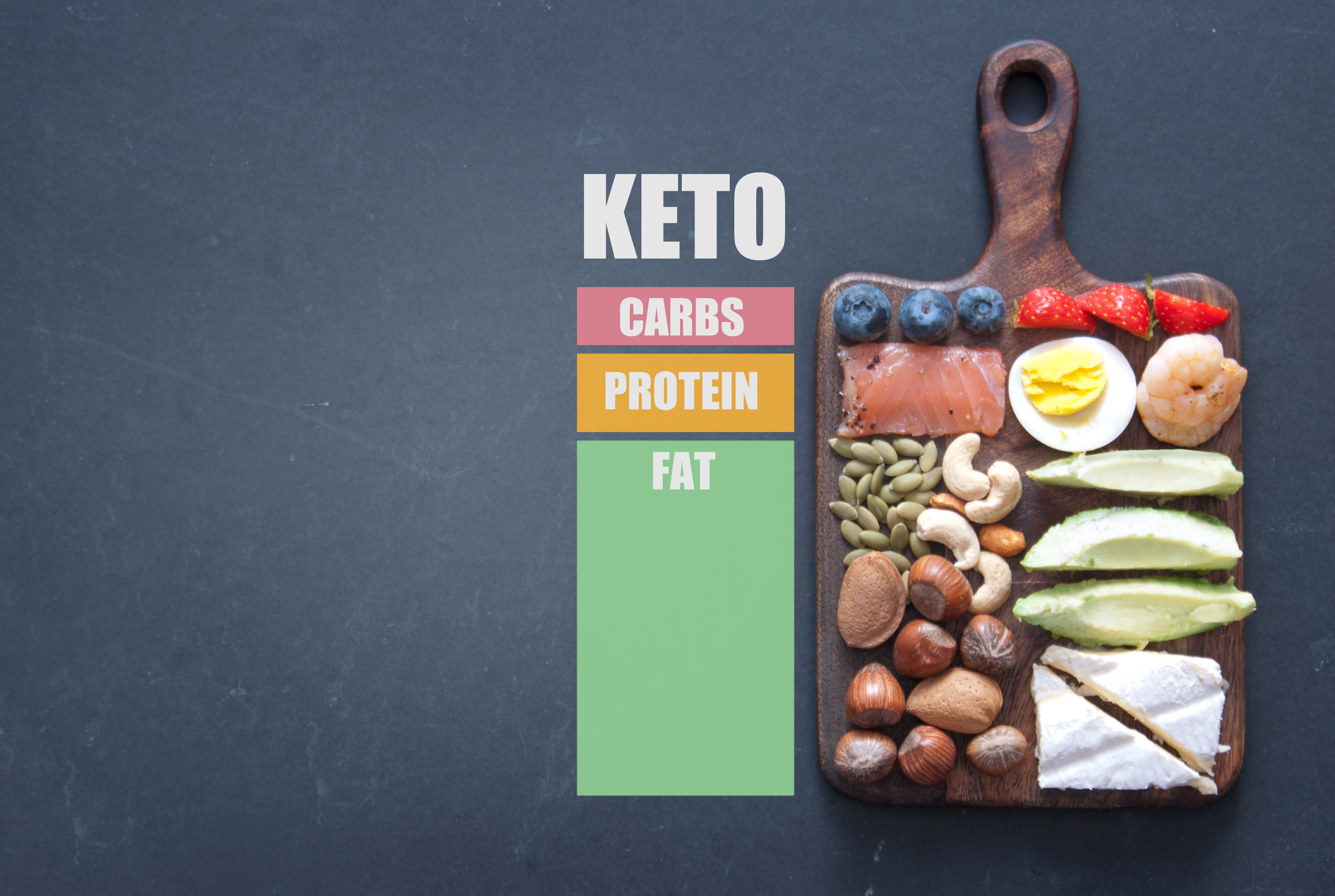
A few of you have been asking about ketosis, wondering what it is and what it means. The short story: ketosis is a state of adaptation the body goes into when inadequate carbohydrates are consumed and the brain/red blood cells are under threat of starving. In this state the body adapts to starvation, or severely restricted carbohydrates, by creating a limited amount of carbohydrates and ketone bodies - a chemical compound that the brain can use for energy. Ketones can be produced from fat particles and certain amino acids. This is the reason why in a true ketogenetic diet you consume the vast majority of calories from fat and some proteins (and extremely limited carbohydrates).
From Glucose to Ketones: How Your Body Adapts
The human body is incredibly adaptive and ketosis is one example of how it adjusts to unknown conditions! I’ll say it again because I love this fact: the brain and red blood cells rely exclusively on glucose (carbohydrates) for fuel. If you don’t consume carbohydrates, your body will adapt by creating them and when those resources are depleted, it will begin producing ketones by breaking down fat. In a state of starvation it takes about 3-4 days to see a marked increase in ketone production and utilization of ketones for energy.
How the Body Produces Ketones for Energy
Ketone production occurs when the body signals that there are inadequate glucose levels in the blood and fat starts to break down. As the body uses fat for fuel, those metabolic systems get overwhelmed and, as a result, there is a build up of acetyl-CoA - the starting block for keto acids to develop.
The Ketogenic Diet: Requirements, Challenges, and Potential Risks
Following a ketogenic diet requires long-term, strict adherence to a high fat, very low carbohydrate, and low protein diet. Done well, ketone levels are measured to ensure someone stays in ketosis and also monitoring the ketone bodies to not overwhelm the blood and change the acid/base (pH) balance of the blood making it too acidic, a condition called ketoacidosis.
Ketosis, Fatigue, and Flight Safety: What Aviation Professionals Need to Consider
Ketosis might be beneficial for individuals wanting to balance blood sugars, but is challenging to maintain and if it is done poorly could be dangerous for pilots, air-traffic controllers, and flight attendants. If you want to try this, work with a qualified healthcare professional and visit with your AME before starting this diet, as fatigue could be a side effect for many people. Because of the length of time it takes to enter ketosis, this is challenging to see how you will respond in between shifts and at this time Flight Crew Nutrition doesn’t recommend a ketogenic diet for most aviation professionals.