Mental Health in Aviation: The Connection Between Genetics and Nutrition
You’ve probably heard that nutrition can impact mental health and it’s true! Nutrition influences cognitive and mental functioning through gut-brain axis, nutrient deficiencies, and meal patterns. As a flight attendant, pilot, or air traffic controller, mental health is key to keeping you and everyone else safe on the job and it’s important to give your brain every advantage you can.
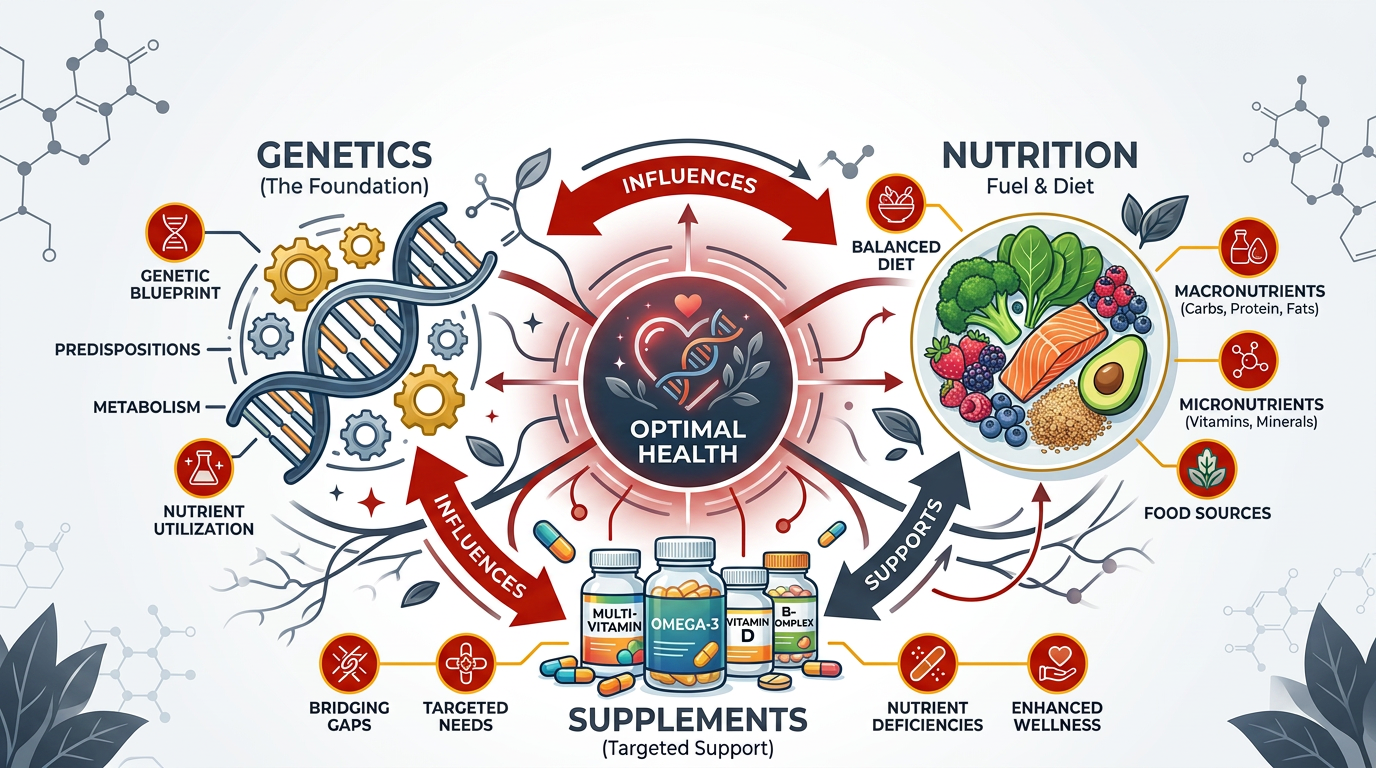
While nutrition is a key component to giving you a leg up in the mental health department, there is another link we can use to help make targeted nutrition choices and it’s your genes. In today’s Jump Seat Journal we’re zooming in on the COMT gene and its associated nutritional connections. COMT is often explored with specific connections to mental health and nutrition, so let’s take a look into how and why this is the case.
Nutrition & the COMT Gene
The COMT gene codes for the catechol-O-methyltransferase enzyme - wow that’s a mouth full (pun intended :)). In simpler terms, the enzyme helps break down chemical messengers, like dopamine, in the brain. The chemicals that interact in the brain impact our mood and behaviors, for example variations in the COMT gene have been connected with alcohol use disorder and other addictions.
Vitamins & Supplements
In addition to its connection with alcohol use disorder, variations in the COMT gene might alter the way your body responds to caffeine intake, whether you’d benefit from additional vitamins, like vitamin B, magnesium, or zinc. Getting your genetic blueprint can give you a road map to make targeted changes to your nutrition game, but even if you don’t have your genetics done, there are a few things you can pay attention to:
- Magnesium is an important nutrient for our health and wellness, but most of us don’t consume adequate amounts in our diet, so it's often beneficial to focus on increased intake or supplementation. Magnesium is a powerhouse nutrient and is involved in hundreds of chemical reactions in our body. There are 3 major supplement options: magnesium citrate, magnesium glycinate, and magnesium threonate. Magnesium citrate is currently a no-fly option for pilots, so it’s best to avoid this option. Magnesium glycinate is a slower absorbing supplement and well tolerated; likewise, magnesium threonate has an additional advantage as it crosses the blood-brain barrier and may have a stronger impact on mental health. Eating a balanced diet will help you get your magnesium, so fuel up with spinach, cashews, or oats. These foods also provide support for your gut, which, as it turns out, is connected to your mental health as well. If you’re taking a supplement, we suggest either magnesium glycinate or threonate and capping your intake at 350 mg a day. Check out the Flight Crew Nutrition supplement dispensary for supplements and our Pinterest board for recipes!
- B-vitamins (B12, folate, B6) are connected to multiple aspects of our mental health and genetics. B-vitamins are readily found in foods and are often included in common supplements, such as multivitiamins and energy drinks. B-vitamins consumed through food are well tolerated and folate is found in beans, legumes, and leafy greens - with the added benefit to the gut microbiome which can influence the gut/brain axis. Eating nuts, fish, and poultry will boost B6 in your diet. If you’re on a vegetarian or vegan diet, B12 is found in animal foods so you will likely benefit from supplementation. Just like magnesium, there are different types of B-vitamin supplements and at Flight Crew Nutrition we generally recommend methylated B-vitamins (look for supplements that say Methylcobalamin or MTHF (methyltetrahydrofolate)) depending on the personal impact of the supplement on our clients. Interestingly, our genetics can influence how we respond to different supplements like B-vitamins. Where some people might find a boost in energy and greater mental focus, others find extra B vitamins too stimulating, causing jitteriness and feelings of anxiousness. It’s important to pay attention to how your body responds to supplements and find the right dose that's best for your body. If you’re not sure what to do, schedule a call with Flight Crew Nutrition to sleuth out a personalized approach to these nutrients. For aviation professionals, it is crucial to know which approach might get you through a red-eye or short night of sleep!
- Zinc has been studied for its role in depression among other critical health conditions. Most people in the United States consume adequate amounts of zinc in their diet as it is found in meats, seafood, and beans. In some cases it might be beneficial to get an extra boost of zinc above the recommended amounts, however, chronically high intakes of zinc (most often through supplements) could cause a copper deficiency.
Like all aspects of our health, there are many approaches that can benefit overall health and wellbeing. The ideas listed here are a tiny fraction of the options available and do not cover all the genetic interactions. WIth nutrition, try one thing and build up to more as you establish habits. My favorite part of nutrition is that any positive change will have wide-spread benefits and for pilots, flight attendants, and air-traffic controllers this can keep you in your career for years to come.